
Creative Writing
Find the Turning Point in a Short Story
Find the moment that changes a character’s options, then give the story enough room for the change to register.
A short story can cover an afternoon or a lifetime. What gives it focus is a meaningful change in what a character knows, wants, or can do. The turning point is the moment after which they can no longer respond in quite the same way.
Find the change before polishing the opening
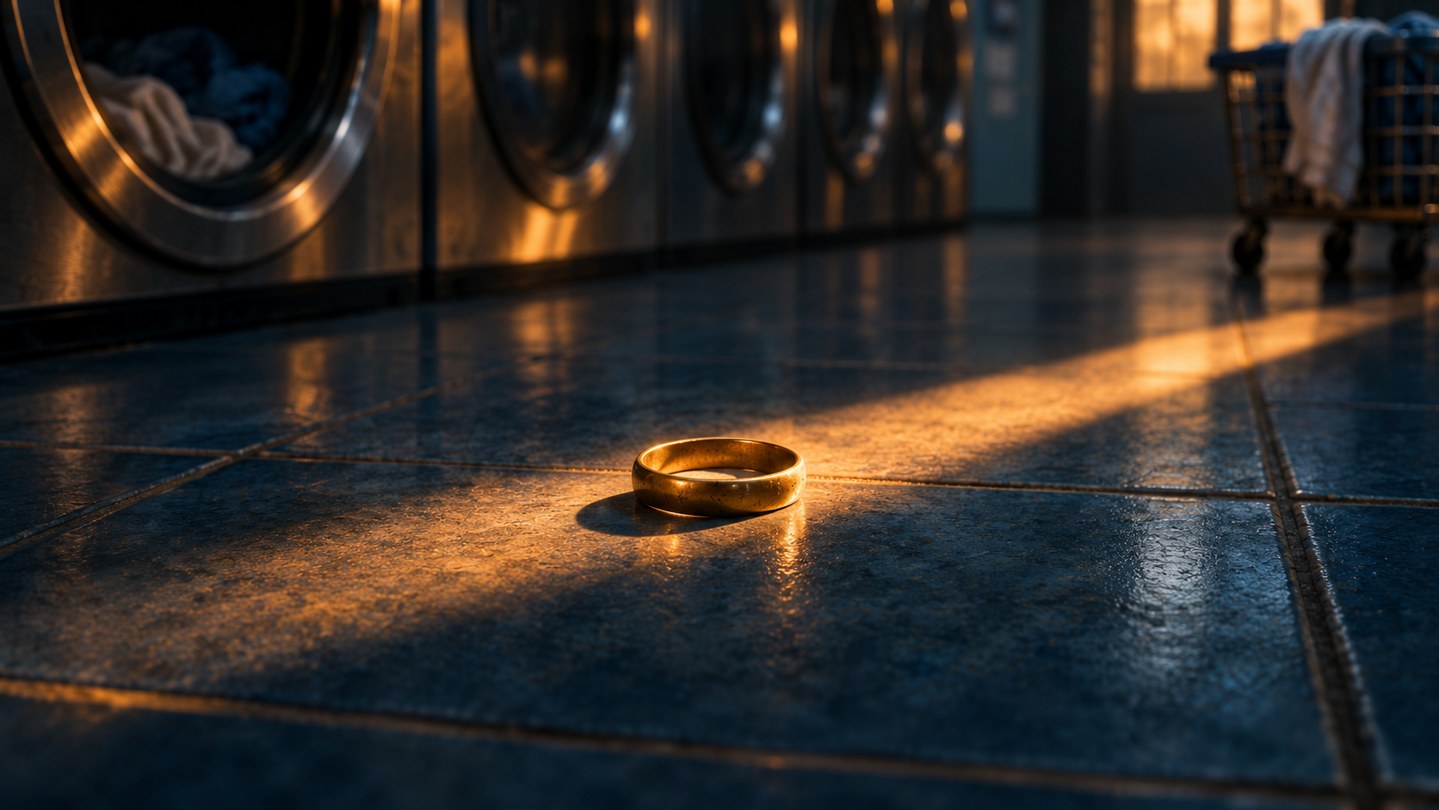
A laundromat attendant spends a night collecting the coins left behind in dryers. That is a situation. When she finds a wedding ring in a load about to go into the donation bin and recognizes it as her mother’s, her shift changes direction. She now has to decide whether to call her mother, investigate quietly, or leave the ring where it was.
A turn can be quiet. The attendant might eventually learn the ring was left deliberately. Nothing about the building changes. What changes is her understanding of the person who left it, and the choice she makes next.
Give the ending a consequence
If the story ends at the discovery, the reader gets a surprise. An extra beat can reveal what the discovery means. The attendant may place the ring in the lost-property envelope, address it to her mother, and leave the flap open. An action like that can carry the emotional result without explaining the whole family history.
Try it with your draft
Complete two lines: “Before the turn, the character can still ___.” “After the turn, they can no longer ___ in the same way.” If both answers feel the same, strengthen the consequence or change what the character chooses. Then look at the first page and keep the details that make the turn matter. Short fiction has room for atmosphere when it builds anticipation or deepens the outcome.
Writing Short Fiction
Explore the course details.