
Creative Writing
Build a Novel Outline You Can Actually Write From
Outline the decisions that drive your novel and turn each planned scene into a practical prompt for drafting.
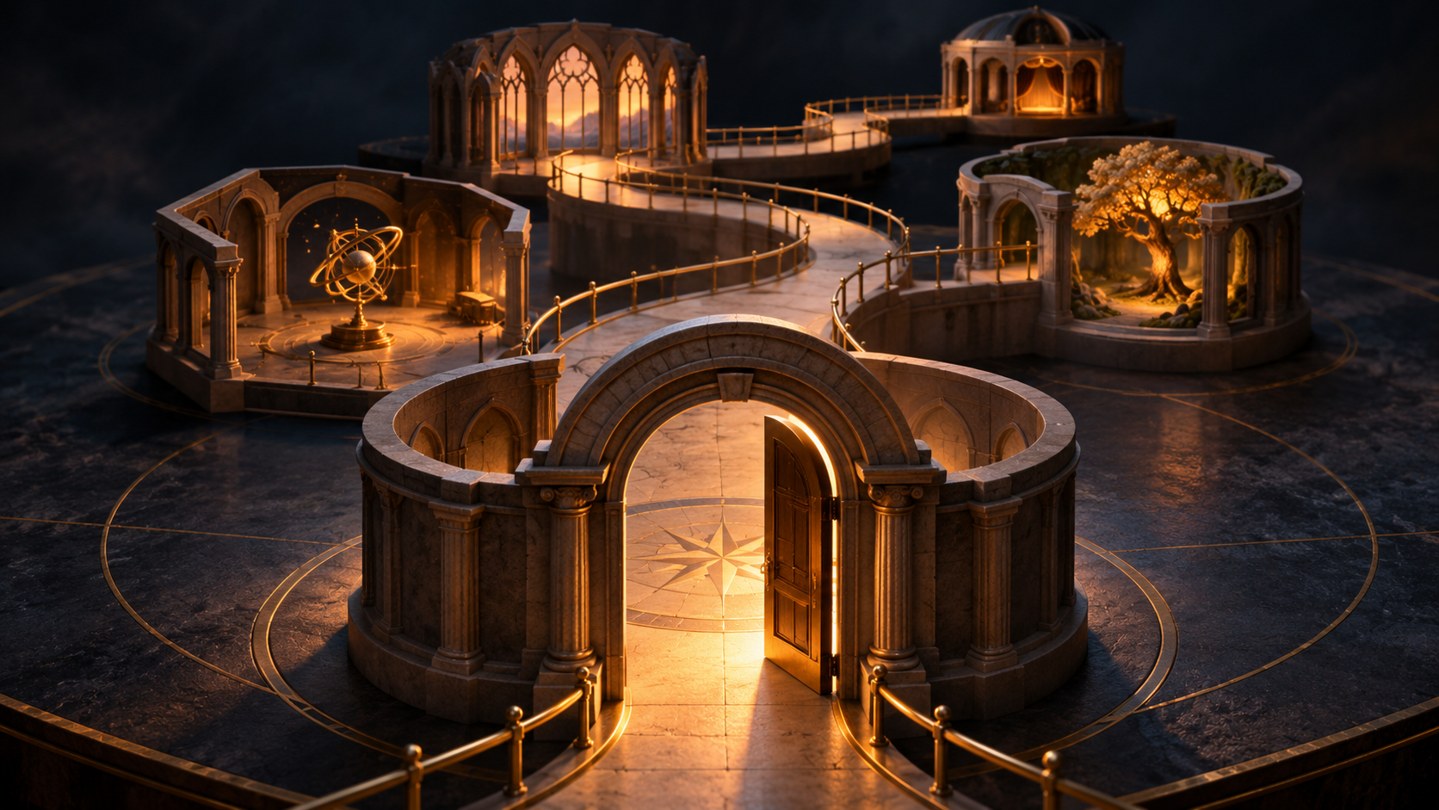
A useful outline helps you answer the question you face when you sit down to write: what happens here, and why does it matter? You can start with a few decisions and expand only as far as the next stretch of drafting requires.
Name the decisions that hold up the story
A translator is asked to identify the sender of an unsigned letter. She accepts because the work could restore her reputation. Halfway through, she realizes the letter contains a phrase used only in her household and chooses to conceal that discovery. Near the end, she must decide whether to publish her translation and risk implicating her family. Those decisions give you a spine without requiring every chapter to be planned.
Turn each scene into a drafting prompt
A scene note reading “translator goes to archive” names a location but leaves the dramatic action open. Add a goal, friction, and a change: she wants to see the original letter, the archivist will only show her a copy, and she notices an erased word visible under the lamp. You now have a purpose for the encounter and a reason for the next scene.
Expect discoveries
As you draft, a better motive or complication may appear. Update the outline when a decision changes the chain of events. Track the consequence and check which later scenes depend on the earlier version. That makes revision manageable while leaving room to follow an idea worth keeping.
Try it with your draft
Write three decisions your protagonist cannot take back easily. Choose the first and list what they want, what prevents an easy choice, and what changes afterward. Draft the scene from those three lines. If you get stuck, add one specific action the character can attempt before adding more background.
Novel Planning and Drafting
Explore the course details.